


Raw Pu'er Tea
Raw Pu'er Tea
Raw Pu’er Tea (Sheng Pu’er) is made from sun-dried large-leaf Yunnan tea leaves (晒青毛茶) and naturally aged through time. It is produced without artificial pile fermentation (wo dui). When newly made, the liquor appears yellow-green with a bold, intense flavor and noticeable bitterness and astringency. With long-term aging, the tea becomes smoother and more mellow, the liquor gradually turns orange to reddish, and it develops the characteristic quality of improving in aroma and taste with age.
Couldn't load pickup availability
Health Benefits
Health Benefits
Rich in Caffeine
Stimulates the nervous system, helping to maintain alertness and focus.
Cuts Through Greasiness
Offers a refreshing, invigorating taste that aids metabolism and relieves the heavy, greasy feeling after a rich meal.
Clears Internal Heat & Quenches Thirst
Unfermented, preserving more active ingredients; promotes saliva production, relieves thirst, and helps cool the body down.
Antioxidant Properties
Rich in tea polyphenols and catechins, which help eliminate free radicals and slow down the body's aging process.
How to Brew
How to Brew
Take the tea leaves and pour boiling water over them.
- Infusions 1–3: Steep for 1–3 seconds
- Infusions 4–6: Steep for 4–8 seconds
- Infusions 9–15: Steep for 9–15 seconds
- Infusions 16–20: Steep for 16–20 seconds
Brewing time should be adjusted flexibly according to the characteristics of the tea. Observe the color, smell the aroma, and taste the flavor to find the optimal infusion.
Precautions
Precautions
The tea is cold in nature; raw Pu-erh is quite stimulating, so it is not recommended for those with a cold constitution (specifically regarding the spleen and stomach) or gastric ulcers. It affects sleep: Due to its high caffeine content, avoid consuming large amounts before bedtime or on an empty stomach.


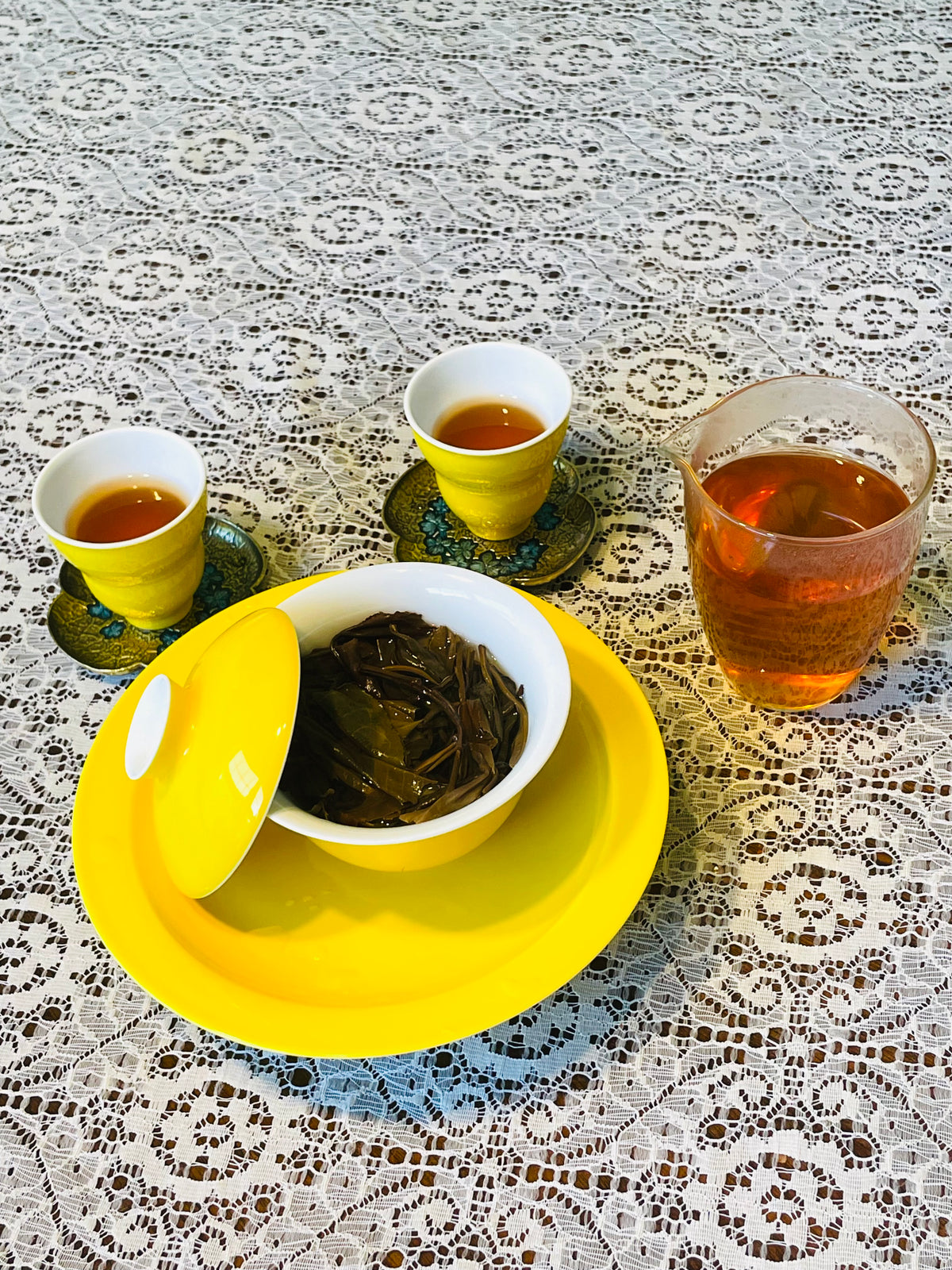

All About Black Tea
Black tea is made from tea leaves that are withered to reduce moisture, then rolled or bruised to release their natural compounds. The leaves are fully oxidized, which develops their rich color, bold flavor, and characteristic aroma. Finally, the leaves are dried to halt oxidation and preserve the finished tea.